PatientsCann UK Statement on the ACMD Review of Medical Cannabis
The Advisory Council on the Misuse of Drugs (ACMD) is reviewing cannabis-based products for medicinal use (CBPMs).
Border Patients at Risk: PatientsCann Raises Concerns with UK & Ireland

PatientsCann UK: Border Patients at Risk Urgent News UK–Ireland Border Border Patients at Risk: PatientsCann Raises Concerns with UK & Ireland PatientsCann UK has raised urgent concerns with both the UK and Republic of Ireland governments over the impossible situation facing patients whose lawful prescriptions cross a Schedule 1 border, even just to get home. PatientsCann UK·Advocacy & Policy·19 August 2025 The core problem: A prescription issued in the UK, ROI or Crown Dependencies cannot be dispensed across the border if the medicine is considered Schedule 1. Patients cannot lawfully carry these prescribed medicines across the border, even when crossing is unavoidable to travel within their own country. Communities Most Affected This issue disproportionately affects border communities, where travel across the border is not optional but a daily necessity: Drummully, Co. Monaghan (ROI) can practically only be accessed via roads through Northern Ireland. Patients prescribed treatment elsewhere in ROI must cross NI to return home. Teer, Co. Fermanagh (NI) is practically accessible only via ROI. Patients collecting prescriptions in NI must cross ROI to get home. Roads such as the N54/A3 frequently cross between ROI and NI, making it impractical or impossible for some patients to avoid travelling across the border. For patients in these communities, this creates an impossible situation: return home with their prescribed treatment and risk criminalisation, or forego essential medication. Affected Areas The Border Communities at Risk ROI–Northern Ireland Border Where the law creates an impossible journey This map illustrates the specific border communities where patients have no practical route home without crossing into a different jurisdiction. Areas including Drummully (Co. Monaghan, ROI) and Teer (Co. Fermanagh, NI) are geographic enclaves, patients carrying legally prescribed medicines face potential criminalisation simply by travelling within their own country. Roads such as the N54/A3 cross between ROI and NI multiple times, making border avoidance impractical or physically impossible for residents. Connected Harms Six Practical Problems Disrupted Continuity of CareMissed doses, medical destabilisation, hospital attendance Patients attending appointments, clinics or pharmacies within their own jurisdiction may be unable to return home with medicines they were lawfully prescribed. This is particularly harmful for conditions that require uninterrupted dosing, epilepsy, severe chronic pain, some mental health conditions, where missed doses can lead to medical destabilisation or hospital attendance. Risk of CriminalisationPolicing uncertainty, inconsistent enforcement risk Patients are left unsure whether they will face enforcement action if stopped while carrying their legally prescribed medicine in a part of the neighbouring jurisdiction. This uncertainty can deter people from collecting or taking medication as prescribed. It also puts police officers and prosecutors in a difficult position with little practical guidance. Pharmacy & Delivery BarriersCommunity pharmacies and couriers cannot always complete deliveries Community pharmacies and authorised couriers that deliver prescriptions, a vital service for many elderly and disabled residents, may be legally unable to complete a delivery if the quickest or only route crosses the border. This increases delivery times and costs and may leave vulnerable patients without medicines for days. PatientsCann UKUK’s Medical Cannabis Patient Organisation · patientscann.co.uk
This Isn’t a Movement, It’s a Mess
A brutally honest call-in to the UK medical cannabis patient community, about ego, division, and why we’re our own worst enemy.
Network Rail’s Response to Our Concerns: A Call for Fair and Transparent Policy
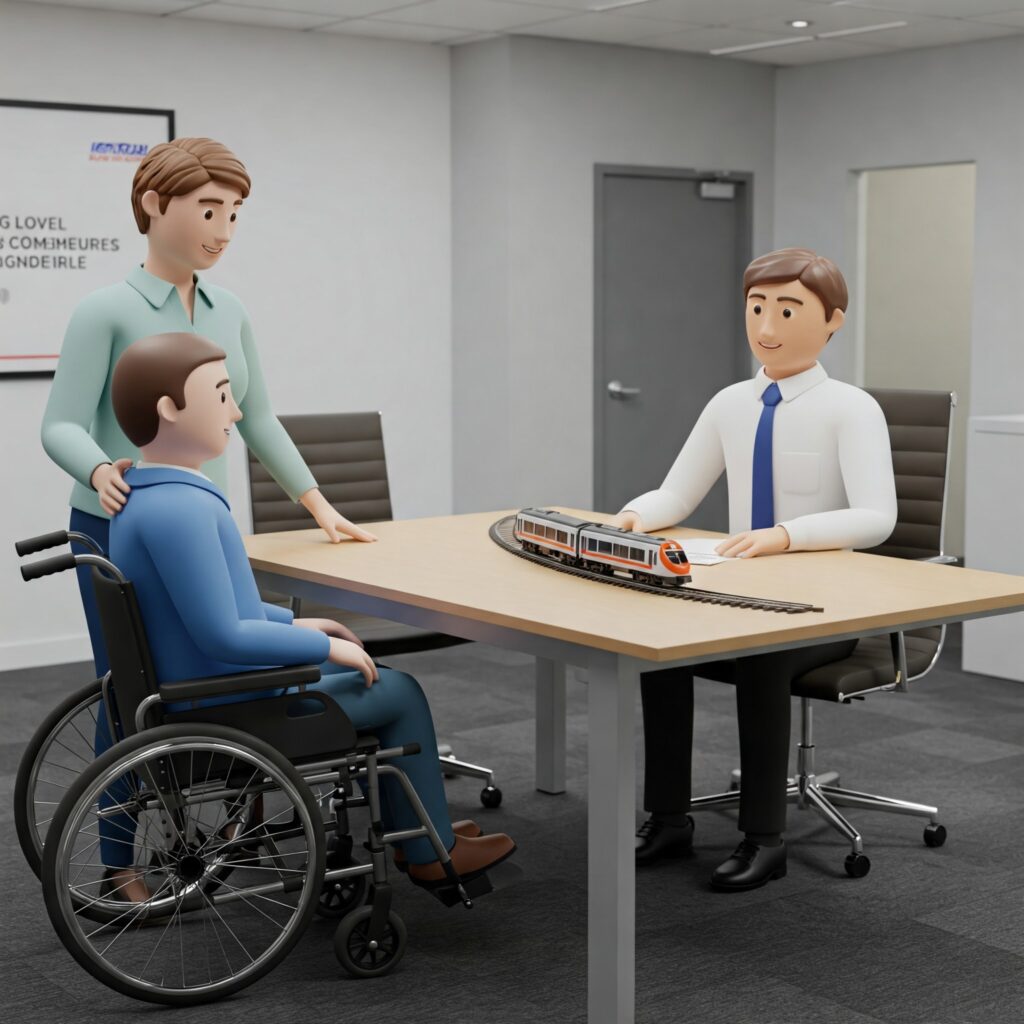
Network Rail’s policy breaches the Equality Act 2010. PatientsCann UK fights for fair treatment—take action now.
Legal Support for Medical Cannabis Patients in the UK

PatientsCann UK — Legal Support for CBPM Patient Resource Legal Support February 2025 Legal Support for Medical Cannabis Patients in the UK Since legalisation in 2018, patients have faced complex legal hurdles, societal stigma, and limited access to support. This guide explains the landscape and how organisations like Seed Our Future are helping. PatientsCann UK·Patient Resource·5 February 2025 NHS Access NHS doctors rarely prescribe CBMPs, leaving most patients with no choice but expensive private clinics. Legal Uncertainty Patients struggle to understand the legalities of possession and use in public, at work, and in healthcare settings. Workplace Stigma Employers who lack awareness may view prescribed cannabis use as problematic, leading to conflicts and wrongful treatment. Challenges in Legal Support The legal framework surrounding medical cannabis in the UK is complex, creating numerous obstacles for patients seeking treatment. While specialist doctors are legally permitted to prescribe CBMPs, access remains severely limited. Many patients, healthcare professionals, and service providers do not fully understand the legal rights and regulations governing medical cannabis use. This gap in knowledge often results in patients being misinformed or hesitant to assert their rights, while some service providers may be unwilling to support patients simply due to uncertainty about legal implications. Societal Stigma Despite legalisation for medical use, cannabis continues to carry deep-rooted stigma due to its long-standing association with recreational use. This stigma affects patients in several ways: social isolation, employment discrimination, and hesitancy from some healthcare professionals. Stigma also extends into the healthcare system itself. Some healthcare professionals remain hesitant to prescribe CBMPs, meaning patients may face barriers even when their condition would clinically justify treatment. Where to Get Support Organisations including Seed Our Future provide legal advocacy and support for medical cannabis patients. PatientsCann UK also maintains a legal support resource directory for patients facing discrimination, policing concerns, or workplace challenges. Need Legal Support? PatientsCann UK can help connect you with the right legal guidance for your situation — whether that’s a policing encounter, a workplace issue, or a housing concern. Legal Support Resources Mohammad Ismail “Ish” Wasway · Managing DirectorPatientsCann UK® · UK’s Medical Cannabis Patient Organisation · patientscann.co.uk
Claiming Social Care Support for Medical Cannabis Patients in the UK
PatientsCann UK — Social Care Support Patient Resource Social Care Care Act 2014 Claiming Social Care Support for Medical Cannabis Patients in the UK If you receive a social care package from your local authority, you may be able to have your CBPM prescription costs assessed as Disability Related Expenditure — potentially reducing your social care charges. PatientsCann UK·Patient Resource · Care Act 2014 What Is DRE? Disability Related Expenditure (DRE) covers the extra costs associated with managing a health condition. Under the Care Act 2014, verified DRE is disregarded in financial assessments, meaning it can reduce how much you pay for social care. Key Point A successful DRE claim does not mean the NHS pays for your cannabis prescription. It means your prescription costs are excluded from the calculation of your social care contribution, reducing your charges. How Financial Assessments Work Under Section 14 of the Care Act 2014, local authorities can charge for social care, but they must ensure that such charges are fair and transparent. A financial assessment will factor in savings, pension and benefit income, and disability benefits. The assessment must disregard verified Disability Related Expenditure. How to Claim CBPM Costs as DRE To claim, you must provide evidence demonstrating that CBPM is a necessary treatment for your condition and that no effective alternative medications are available through the NHS. Many councils require support from a GP or healthcare consultant rather than evidence from a cannabis prescriber alone. If Your Claim Is Denied If your local authority rejects your request to classify CBPM costs as DRE, you can: File a formal complaint with the council, following their internal complaints procedure If unresolved, escalate to the Local Government and Social Care Ombudsman (LGSCO), which will independently assess your case Case Law Recent Ombudsman Precedent LGSCO Reference: 24 001 331 — Brighton & Hove City Council In this recent case, Brighton & Hove City Council was found at fault for mishandling a social care assessment for a patient requesting that their CBPM costs be included as DRE. The Ombudsman identified three key failures: Failure to Consider Medical Evidence: The patient provided evidence that alternative medications posed serious health risks. The council appeared to disregard these critical points in its assessment. Lack of Transparency: The council claimed the patient’s cannabis medication costs were “unreasonable,” yet failed to provide a clear justification for its decision. Injustice to the Patient: The absence of a thorough review means the patient cannot be confident that her request was properly evaluated — a clear injustice under the Care Act 2014. Patients who encounter similar challenges are encouraged to challenge decisions through formal complaints and escalate to the Ombudsman if necessary. Councils rarely refuse Ombudsman recommendations. Step Action Evidence Needed 1 Request a financial assessment and declare CBPM costs Prescription records, cost evidence 2 Submit DRE evidence with GP/consultant support letter GP or specialist letter confirming necessity 3 If refused, file formal complaint with the council All correspondence and medical evidence 4 Escalate to LGSCO if complaint unresolved Full case history for independent review Further Guidance The Local Government and Social Care Ombudsman and Care Act Statutory Guidance are key resources for patients navigating this process. LGSCO Website Full Guide Mohammad Ismail “Ish” Wasway · Managing DirectorPatientsCann UK® · UK’s Medical Cannabis Patient Organisation · patientscann.co.uk
Network Rail’s Medical Cannabis Policy: A Cause for Concern

PatientsCann UK — Network Rail Policy Discrimination Employment January 2025 Network Rail’s Medical Cannabis Policy: A Cause for Concern PatientsCann UK is deeply concerned by Network Rail’s safety advice NRA24-13, which imposes a blanket ban on employees using prescribed medical cannabis — potentially violating the Equality Act 2010. PatientsCann UK·News & Advocacy·January 2025 What the policy does: The policy mandates automatic suspension for employees prescribed medical cannabis for conditions not covered by NICE guidelines. It requires cessation of treatment and proof of a “clean” test before reinstatement — regardless of the employee’s role or whether their prescription affects their ability to perform their duties. Equality and Discrimination Concerns The Equality Act 2010 protects individuals with disabilities or long-term conditions, requiring employers to make reasonable adjustments rather than imposing blanket restrictions. Network Rail’s stance risks discrimination by disproportionately affecting those with legally prescribed medical cannabis treatments. This approach disregards the fact that medical cannabis is often prescribed as a last resort after other treatments fail. Forcing patients to abandon their effective treatment places undue pressure on their wellbeing. Our Call for Change PatientsCann UK has written to Network Rail, urging them to: Reassess their policy with input from stakeholders, including patients and advocates Adopt an evidence-based, individualised approach to ensure safety and equality are balanced Offer reasonable adjustments for employees prescribed medical cannabis We believe policies should focus on functional assessments, rather than blanket assumptions about impairment. Other potentially impairing medications — such as opioids — are managed on a case-by-case basis. Medical cannabis should be no different. Open Letter Read Our Letter to Network Rail Open Letter to Network Rail Download Affected by This Policy? If you or someone you know has been affected by Network Rail’s policy, we want to hear from you. Contact us at info@patientscann.org.uk. Read the Open Letter Contact Us PatientsCann UKUK’s Medical Cannabis Patient Organisation · patientscann.co.uk
Cannabis Europa London 2024
Scheduled for 25-26 June 2024 at the Barbican Centre in London, this event promises to be a pivotal gathering for industry leaders, policymakers, and enthusiasts.
PatientsCann and Seed our Future Begin Work with Local Police
In August 2023 I was relaxing by the seafront in Plymouth with my sister on what should have been a pleasant day. Instead, around 10 minutes after taking my medication, two police officers arrived who refused to accept my medication was legal and proceeded to detain me for 6 hours. Following my arrest I realised just how widespread the challenges facing medical cannabis patients were and decided to join PatientsCann UK. After my release, Devon & Cornwall Police admitted they were “ill equipped to deal with patients lawfully in possession of cannabis”. I liaised with the Diverse Community and Serious Organised Crime Branches where they have confirmed the force are implementing a number of packages, including training for frontline police officers in being able to identify genuine medicinal cannabis patients and clarification that a medical cannabis card is not required. Despite the implementation of these packages, there are still a number of challenges that remain for medical cannabis patients, one such example is driving. Devon & Cornwall Police advised “If a positive test is obtained it is likely to lead to the arrest and detention of the driver on suspicion of being ‘unfit to drive through drink or drugs (S.5 RTA)’. Not until the individual has been through the ‘police custody experience’ would any lawfully defence such as a prescription be considered.” Devon & Cornwall Police were open for further engagement on these challenges, so I got in contact with Guy Coxall from Seed our Future. Guy is a court expert on Cannabis and the Road Traffic Act, and lead author on the Cannabis Industry Council guidance on Cannabis and Driving. He was very happy to join the discussions. I got back in touch with the force and a meeting was arranged at their Headquarters in Exeter on 4th January 2024. At the meeting we were joined by a number of stakeholders from Devon & Cornwall Police including a Drug Expert Witness, Diverse Communities Officer, Road Traffic Officer and Drug Impairment Lead. Guy did a presentation on the Road Traffic Act and Swab Tests which generated a number of interesting discussions. In addition we touched on a number of other issues facing medical cannabis patients such as discrimination and hate crime risk, and employees of the force using their medication. We also received a number of interesting updates including the training package Devon & Cornwall Police developed being shared with 18 police forces, and processes being put in place so people in police custody can use their legally prescribed medication. Devon & Cornwall Police will share a report on their work so far. In the end we didn’t have time to discuss all points, and I think we all came away with more questions than answers! But the day set a foundation for future work with Devon & Cornwall Police, and PatientsCann UK and Seed Our Future will continue to work with the Force to address these issues. Our hope is that this work will continue to spread beyond Devon and Cornwall across the UK for the benefit of all patients. Authored by – Sal Aziz
PatientsCann UK Appointed UK Representative to IACM Patients Council
Empowering Patients Worldwide We are thrilled to announce a significant milestone for PatientsCann UK – our appointment as the UK representative to the International Alliance for Cannabinoid Medicines (IACM) Patients Council. This prestigious position marks a new chapter in our commitment to advocating for patient rights and fostering collaboration on a global scale. About IACM Patients Council The IACM Patients Council is a dynamic coalition of patient organisations from around the world. Its primary objective is to provide a unified voice for patients in the rapidly evolving landscape of medicinal cannabis. By working collectively, these organisations aim to safeguard the rights and interests of patients and ensure their perspectives are integral to the ongoing developments in medicinal cannabis. Our Role as the UK Representative As the UK representative to the IACM Patients Council, PatientsCann is honoured to take on the responsibility of championing the concerns, aspirations, and needs of patients in the United Kingdom. This role aligns seamlessly with our core mission of promoting a patient-centric approach to medical cannabis advocacy. Key Focus Areas Global Collaboration: We look forward to actively engaging with patient organisations worldwide. By fostering international collaboration, we can share insights, best practices, and advocate for the common goal of improving patient access and rights. Information Exchange: Our role involves facilitating the exchange of information between patients, organisations, and key stakeholders. By doing so, we aim to contribute to the creation of a well-informed and empowered patient community. Advocacy and Education: Through our representation, we will advocate for policies that prioritise patient well-being. Education will be a focal point, ensuring that patients are equipped with the knowledge to make informed decisions about their healthcare. PatientsCann’s Commitment Our journey with the IACM Patients Council is not just about representation; it’s about effecting positive change. PatientsCann is committed to leveraging this opportunity to enhance the dialogue surrounding medicinal cannabis, challenge stigmas, and drive initiatives that benefit patients globally. We express our gratitude to our supporters, volunteers, and the entire medical cannabis community. Your encouragement has been instrumental in reaching this milestone. Together, let’s continue advancing patient-centric approaches to medical cannabis and shaping a more compassionate and informed world. Empowering Patients, Transforming Lives.
