Guaiol
Guaiol – PatientsCann UK Skip to main content Back to Terpenes Guide Guaiol Champacol pronounced: GWHY-ol A rare woody terpene from guaiacum wood. Highest boiling point of the 12. Sesquiterpene Boiling point: 288°C Terpene type Sesquiterpene Boiling point 288°C Primary aroma Woody Pine Key effect Anti-inflammatory Aroma profile How it Smells The aroma of guaiol is described as: Woody PineCypressBalsamic EarthSandalwood Found naturally in: Guaiacum wood, cypress trees, lilac, pine Effects Linked Effects Anti-inflammatoryPain reliefAntibacterialAntioxidant These effects are based on early-stage research in animals and cells. They are not proven in humans. Do not change your treatment based on this information. About What is Guaiol? Guaiol is a rare sesquiterpene alcohol with a deep, piney, and slightly rosy aroma reminiscent of sandalwood and cypress. It has the highest boiling point of the 12 terpenes covered here at 288 degrees Celsius, which means it evaporates last of all and contributes most strongly to the long-lasting woody base note of a strain. It takes its name from Guaiacum, a dense tropical hardwood tree from the Caribbean. Traditional medicine in that region has used guaiacum resin for centuries for conditions including arthritis. Guaiol is thought to be one of the active compounds responsible for these traditional uses (Nuutinen, 2018). Effects in detail What the Research Says Guaiol has been studied primarily for anti-inflammatory and antibacterial properties. Its high boiling point means it survives the heating process better than most other terpenes, which may make it particularly relevant for vaped or heated cannabis products where lower-boiling terpenes are lost. Nuutinen (2018) reviewed preclinical evidence for guaiol’s antimicrobial and insecticidal activity. It also appeared in the LaVigne et al. (2021) study as one of the sesquiterpenes capable of modulating cannabinoid receptor activity, contributing to the entourage effect. Everyday sources Where You Find it in Daily Life Guaiol is less common in everyday food than most other terpenes. It is found primarily in wood resins, cypress essential oil, and lilac. Pine needles contain a small amount. If you have ever smelled the inside of a freshly sawn hardwood log, the warm, resinous component of that smell likely contains guaiol. Some high-end perfumes use cypress essential oil as a base note, and guaiol is part of what gives cypress its distinctive, long-lasting woody character. It is also used in some traditional incense formulations. Research Key Studies Nuutinen (2018) identified guaiol as having notable antibacterial properties in vitro, along with antioxidant activity. The review noted that guaiol’s high boiling point makes it a candidate for study in heated cannabis preparations where other terpenes would already have evaporated. LaVigne et al. (2021) included guaiol among the sesquiterpenes found to selectively enhance cannabinoid activity. This confirms that even relatively minor terpenes in cannabis can play a pharmacologically meaningful role in the overall profile of a product. Previous Humulene Next Eudesmol Back to full Terpenes Guide Important: The information on this page is for education only. It is not medical advice. Terpene research is still in its early stages. Many studies have been done in animals, not yet in people. Always speak to your doctor before changing your treatment. PatientsCann UK does not recommend any specific cannabis product. References LaVigne, J.E. et al. (2021) ‘Cannabis sativa terpenes are cannabimimetic and selectively enhance cannabinoid activity’, Scientific Reports, 11(1), 8232. doi: 10.1038/s41598-021-87740-8. Nuutinen, T. (2018) ‘Medicinal properties of terpenes found in Cannabis sativa and Humulus lupulus’, European Journal of Medicinal Chemistry, 157, pp. 198-228. doi: 10.1016/j.ejmech.2018.07.076.
Trans-Nerolidol
Trans-Nerolidol – PatientsCann UK Skip to main content Back to Terpenes Guide Trans-Nerolidol Peruviol, Penetrol pronounced: tranz neh-ROL-ih-dol A soft, woody-floral terpene. Found in jasmine and tea tree. Sesquiterpene Boiling point: 122°C Terpene type Sesquiterpene Boiling point 122°C Primary aroma Woody Key effect Sleep support Aroma profile How it Smells The aroma of trans-nerolidol is described as: WoodyRose-floralEarthy barkJasmineWaxy Found naturally in: Jasmine, tea tree, neroli, lemongrass, ginger Effects Linked Effects Sleep supportRelaxingCalmAntimicrobial These effects are based on early-stage research in animals and cells. They are not proven in humans. Do not change your treatment based on this information. About What is Trans-Nerolidol? Trans-nerolidol has a complex, multi-layered scent that combines the woody warmth of bark with a soft, rose-like floral quality and a hint of jasmine. It is less common in cannabis than myrcene or linalool, but strains that contain it often have a particularly smooth, rounded aroma. It is found in jasmine, neroli (bitter orange blossom), and tea tree, and is used in the fragrance industry as a fixative: a compound that helps other scents last longer. In cannabis, it appears most often alongside myrcene and linalool in strains with a heavy, sedating character (Booth and Bohlmann, 2019). Effects in detail What the Research Says Nerolidol is most associated with sedative and sleep-supporting effects. It commonly appears in cannabis strains alongside myrcene and linalool, forming what some researchers describe as a sedating terpene triad. Nuutinen (2018) reviewed preclinical evidence for its sleep-promoting and anxiolytic properties. It also has notable antimicrobial and antiparasitic properties in laboratory studies. Research has found it effective against certain fungi and even against the malaria parasite in cell studies, though these are very early-stage findings with no clinical application at this time. LaVigne et al. (2021) confirmed cannabinoid receptor modulation. Everyday sources Where You Find it in Daily Life Jasmine tea and jasmine-scented products are the easiest way to encounter nerolidol in everyday life. The deep, slightly waxy floral quality of jasmine is partly due to this terpene. Ginger root also contains nerolidol alongside other aromatic compounds. Tea tree oil contains nerolidol as a minor but important component. Its presence in tea tree alongside other terpenes like terpinene contributes to the oil’s broad antimicrobial activity. Neroli essential oil, derived from bitter orange blossom, is named in part because nerolidol was first isolated from it. Research Key Studies Nuutinen (2018) reviewed nerolidol’s pharmacological profile, highlighting evidence for sedative, antiparasitic, antifungal, and antioxidant effects across multiple preclinical studies. The review noted that nerolidol’s skin penetration-enhancing properties make it relevant for topical cannabis formulations. LaVigne et al. (2021) found that nerolidol, alongside other sesquiterpenes, can selectively enhance cannabinoid activity, suggesting it plays a more active pharmacological role than simply contributing to aroma. Previous Myrcene Next Terpinolene Back to full Terpenes Guide Important: The information on this page is for education only. It is not medical advice. Terpene research is still in its early stages. Many studies have been done in animals, not yet in people. Always speak to your doctor before changing your treatment. PatientsCann UK does not recommend any specific cannabis product. References Booth, J.K. and Bohlmann, J. (2019) ‘Terpenes in Cannabis sativa: from plant genome to humans’, Plant Science, 284, pp. 67-72. doi: 10.1016/j.plantsci.2019.03.022. LaVigne, J.E. et al. (2021) ‘Cannabis sativa terpenes are cannabimimetic and selectively enhance cannabinoid activity’, Scientific Reports, 11(1), 8232. doi: 10.1038/s41598-021-87740-8. Nuutinen, T. (2018) ‘Medicinal properties of terpenes found in Cannabis sativa and Humulus lupulus’, European Journal of Medicinal Chemistry, 157, pp. 198-228. doi: 10.1016/j.ejmech.2018.07.076.
Alpha-Bisabolol
Alpha-Bisabolol – PatientsCann UK Skip to main content Back to Terpenes Guide Alpha-Bisabolol α-Bisabolol, Levomenol pronounced: AL-fuh bih-SAB-oh-lol The chamomile terpene. Used in skin creams for centuries. Sesquiterpene Boiling point: 153°C Terpene type Sesquiterpene Boiling point 153°C Primary aroma Floral Key effect Calm Aroma profile How it Smells The aroma of alpha-bisabolol is described as: FloralSweetChamomile-likeHoneyPowdery Found naturally in: Chamomile, candeia wood, sage, sweet grass Effects Linked Effects CalmAnti-inflammatoryRelaxingSkin soothing These effects are based on early-stage research in animals and cells. They are not proven in humans. Do not change your treatment based on this information. About What is Alpha-Bisabolol? Alpha-bisabolol has a gentle, sweet, floral aroma that is immediately recognisable as chamomile. It is the main active terpene in chamomile essential oil and has been used in skincare for hundreds of years. In cannabis, it tends to appear as a secondary terpene, adding a soft, powdery floral note to strains that contain it. As a sesquiterpene, it is a larger and heavier molecule than monoterpenes. This means it does not evaporate as quickly and can have a more persistent effect when applied to skin or inhaled. It is also one of the terpenes found in the KAST batch data on this site, appearing in several of the CSC Cannacosta strains (Booth and Bohlmann, 2019). Effects in detail What the Research Says Alpha-bisabolol has one of the strongest track records among terpenes for skin-related applications. It reduces redness and irritation, helps other ingredients penetrate the skin more effectively, and has been found to have antimicrobial properties. This is why it appears in so many pharmaceutical creams and lotions. In cannabis, its contribution to the overall experience is likely related to its calming and anti-inflammatory effects. Nuutinen (2018) reviewed evidence for anxiolytic and anti-inflammatory activity. Baram et al. (2022) found that bisabolol activates endocannabinoid receptors, adding to the entourage effect. Everyday sources Where You Find it in Daily Life Chamomile tea is the most accessible everyday source. The calming effect that chamomile tea is famous for is partly due to bisabolol and related compounds in the plant. When you drink a cup before bed, you are consuming a small amount of this terpene. Candeia wood (Eremanthus erythropappus), a tree native to Brazil, contains the highest natural concentrations of alpha-bisabolol and has historically been over-harvested to supply the cosmetics industry. Most commercial bisabolol is now produced synthetically or from sustainably managed sources. Research Key Studies Nuutinen (2018) reviewed bisabolol’s pharmacological profile and noted evidence for anti-inflammatory, antimicrobial, and analgesic properties. The review also highlighted its role as a penetration enhancer, meaning it can help other therapeutic compounds cross biological barriers more effectively. Baram et al. (2022) confirmed endocannabinoid receptor activity for bisabolol at physiologically relevant concentrations. Francomano et al. (2025) included it in their review of terpenes contributing to the entourage effect in cannabis medicines, noting particular interest in topical cannabis formulations. Previous α-Terpineol Next Camphene Back to full Terpenes Guide Important: The information on this page is for education only. It is not medical advice. Terpene research is still in its early stages. Many studies have been done in animals, not yet in people. Always speak to your doctor before changing your treatment. PatientsCann UK does not recommend any specific cannabis product. References Baram, L. et al. (2022) ‘Major cannabis terpenes, applied individually and in combination, activate endogenous cannabinoid CB1 and CB2 receptors’, Frontiers in Pharmacology, 13, 1040962. doi: 10.3389/fphar.2022.1040962. Booth, J.K. and Bohlmann, J. (2019) ‘Terpenes in Cannabis sativa: from plant genome to humans’, Plant Science, 284, pp. 67-72. doi: 10.1016/j.plantsci.2019.03.022. Francomano, F. et al. (2025) ‘The entourage effect in cannabis medicinal products: a comprehensive review’, Pharmaceuticals, 18(3), 378. doi: 10.3390/ph18030378. Nuutinen, T. (2018) ‘Medicinal properties of terpenes found in Cannabis sativa and Humulus lupulus’, European Journal of Medicinal Chemistry, 157, pp. 198-228. doi: 10.1016/j.ejmech.2018.07.076.
Humulene
Humulene – PatientsCann UK Skip to main content Back to Terpenes Guide Humulene α-Humulene, Alpha-Caryophyllene pronounced: HYOO-myoo-leen The hoppy terpene. Gives beer its herbal, earthy character. Sesquiterpene Boiling point: 107°C Terpene type Sesquiterpene Boiling point 107°C Primary aroma Hoppy Key effect Pain relief Aroma profile How it Smells The aroma of humulene is described as: HoppyEarthyWoodyHerbalBeer-like Found naturally in: Hops, sage, ginseng, coriander, basil Effects Linked Effects Pain reliefAnti-inflammatoryAppetite suppressantAntibacterial These effects are based on early-stage research in animals and cells. They are not proven in humans. Do not change your treatment based on this information. About What is Humulene? Humulene is a sesquiterpene with a deep, earthy, and distinctly hoppy aroma. If you enjoy the smell of a good craft ale, you have experienced humulene. It is the dominant terpene in hops (Humulus lupulus), the plant used to flavour beer, and is found alongside beta-caryophyllene in many cannabis strains. It is sometimes called alpha-caryophyllene because the two molecules are closely related in structure. However, they have different shapes and slightly different aroma and pharmacological profiles. Humulene has a lower boiling point than caryophyllene, meaning it evaporates first when cannabis is heated (Nuutinen, 2018). Effects in detail What the Research Says Humulene has been studied primarily for anti-inflammatory and antibacterial properties. Nuutinen (2018) reviewed evidence showing that it can reduce inflammatory markers in cell studies. It is also one of the few terpenes associated with appetite suppression rather than stimulation, which makes it distinct from myrcene. Its anti-inflammatory effects may work alongside beta-caryophyllene when both are present in a strain, as the two terpenes share similar mechanisms through the endocannabinoid system. This interaction is an example of the entourage effect described by Russo (2011). Everyday sources Where You Find it in Daily Life Beer is the most obvious everyday source. Hoppy beers, particularly India Pale Ales and pale ales, contain the highest concentrations of humulene. The sharp, herbal bitterness of a hop-forward beer comes largely from this terpene. Sage and ginseng are notable non-hop sources. Traditional herbal medicine has used both of these plants for centuries, and researchers are now beginning to investigate whether humulene plays a role in their therapeutic effects. Coriander and basil also contain it in smaller amounts. Research Key Studies Nuutinen (2018) provided a comprehensive review of humulene’s pharmacological properties, noting significant evidence for anti-inflammatory, analgesic, and antibacterial activity in preclinical models. The review highlighted the potential for humulene to work synergistically with cannabinoids. Francomano et al. (2025) included humulene in their review of terpenes contributing to the entourage effect, noting that its combination with beta-caryophyllene in cannabis products may provide enhanced anti-inflammatory activity compared to either compound alone. Previous Caryophyllene-oxide Next Guaiol Back to full Terpenes Guide Important: The information on this page is for education only. It is not medical advice. Terpene research is still in its early stages. Many studies have been done in animals, not yet in people. Always speak to your doctor before changing your treatment. PatientsCann UK does not recommend any specific cannabis product. References Francomano, F. et al. (2025) ‘The entourage effect in cannabis medicinal products: a comprehensive review’, Pharmaceuticals, 18(3), 378. doi: 10.3390/ph18030378. Nuutinen, T. (2018) ‘Medicinal properties of terpenes found in Cannabis sativa and Humulus lupulus’, European Journal of Medicinal Chemistry, 157, pp. 198-228. doi: 10.1016/j.ejmech.2018.07.076. Russo, E.B. (2011) ‘Taming THC: potential cannabis synergy and phytocannabinoid-terpenoid entourage effects’, British Journal of Pharmacology, 163(7), pp. 1344-1364. doi: 10.1111/j.1476-5381.2011.01238.x.
Beta-Caryophyllene
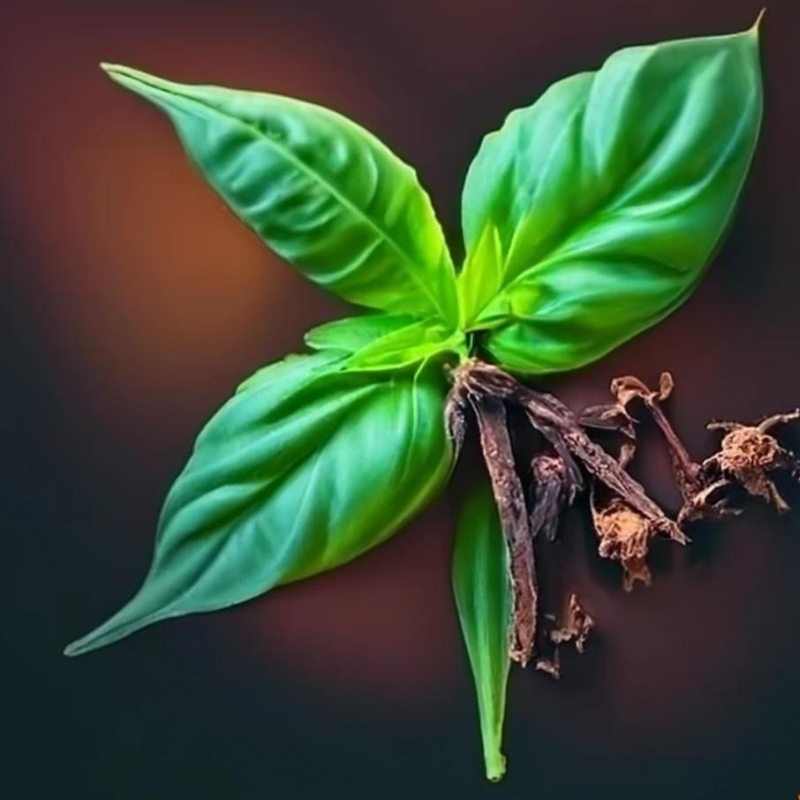
Beta-Caryophyllene – PatientsCann UK Skip to main content Back to Terpenes Guide Beta-Caryophyllene β-Caryophyllene (BCP) pronounced: BAY-tuh kair-ee-oh-FIL-een The only terpene that acts like a cannabinoid. Activates CB2 receptors directly. Sesquiterpene Boiling point: 130°C Terpene type Sesquiterpene Boiling point 130°C Primary aroma Spicy Key effect Pain relief Aroma profile How it Smells The aroma of beta-caryophyllene is described as: SpicyPepperyWoodyWarm Clove Found naturally in: Black pepper, cloves, cinnamon, oregano, copaiba Effects Linked Effects Pain reliefAnti-inflammatoryCalmNeuroprotective These effects are based on early-stage research in animals and cells. They are not proven in humans. Do not change your treatment based on this information. About What is Beta-Caryophyllene? Beta-caryophyllene is unique among terpenes. While most terpenes add to the cannabis experience through aroma and indirect effects, beta-caryophyllene can directly activate a receptor in the body called CB2. This is the same type of receptor that CBD works on. Because of this, some scientists classify it as a dietary cannabinoid as well as a terpene (Hashiesh et al., 2021). It is a sesquiterpene, meaning it is a larger molecule than monoterpenes like myrcene or limonene. This makes it less volatile and it tends to linger in the smell of a strain longer. Its aroma is immediately recognisable: the sharp, spicy heat of freshly ground black pepper (Booth and Bohlmann, 2019). Effects in detail What the Research Says Because beta-caryophyllene binds to CB2 receptors, it can influence inflammation and immune responses. CB2 receptors are found mainly outside the brain, particularly in immune cells, which means BCP can affect inflammation without causing psychoactive effects (Hashiesh et al., 2021). Preclinical studies have found potential benefits for pain relief, anxiety reduction, and even neuroprotection. Russo (2011) identified it as one of the most clinically interesting terpenes precisely because of its direct receptor activity. Research is ongoing into its potential for conditions involving chronic pain and inflammation. Everyday sources Where You Find it in Daily Life Black pepper is the richest everyday source. When you smell a pepper grinder, the spicy, slightly woody warmth is beta-caryophyllene. Cloves and cinnamon also contain high amounts, and it is a significant component of oregano, basil, and rosemary. Copaiba oil, used in traditional Amazonian medicine and now sold as a wellness supplement, contains very high concentrations of beta-caryophyllene. Some researchers studying copaiba’s anti-inflammatory properties believe BCP is the active ingredient responsible for its effects. Research Key Studies The landmark paper that established beta-caryophyllene as a CB2 agonist was published by Gertsch et al. (2008), though it is cited through Hashiesh et al. (2021) in this guide’s scope. Hashiesh and colleagues reviewed the broad pharmacological evidence and concluded that BCP has significant therapeutic potential for inflammatory and neuropathic conditions. Baram et al. (2022) confirmed that BCP activates CB2 at concentrations found in cannabis products, strengthening the case for its clinical relevance. Its non-psychoactive nature makes it particularly interesting as a potential therapeutic target. Previous Linalool Next γ-Elemene Back to full Terpenes Guide Important: The information on this page is for education only. It is not medical advice. Terpene research is still in its early stages. Many studies have been done in animals, not yet in people. Always speak to your doctor before changing your treatment. PatientsCann UK does not recommend any specific cannabis product. References Baram, L. et al. (2022) ‘Major cannabis terpenes, applied individually and in combination, activate endogenous cannabinoid CB1 and CB2 receptors’, Frontiers in Pharmacology, 13, 1040962. doi: 10.3389/fphar.2022.1040962. Booth, J.K. and Bohlmann, J. (2019) ‘Terpenes in Cannabis sativa: from plant genome to humans’, Plant Science, 284, pp. 67-72. doi: 10.1016/j.plantsci.2019.03.022. Hashiesh, H.S. et al. (2021) ‘A focused review on CB2 receptor-selective pharmacological properties and therapeutic potential of beta-caryophyllene’, Biomedicine and Pharmacotherapy, 140, 111639. doi: 10.1016/j.biopha.2021.111639. Russo, E.B. (2011) ‘Taming THC: potential cannabis synergy and phytocannabinoid-terpenoid entourage effects’, British Journal of Pharmacology, 163(7), pp. 1344-1364. doi: 10.1111/j.1476-5381.2011.01238.x.
