A plumber, a prescription, and a fair hearing at work
When Dean Carroll told his employer he had been prescribed medical cannabis, he expected a fight. Instead he got a fair, individual assessment and kept the safety-critical job he loves. He wants other patients to know it can be done.
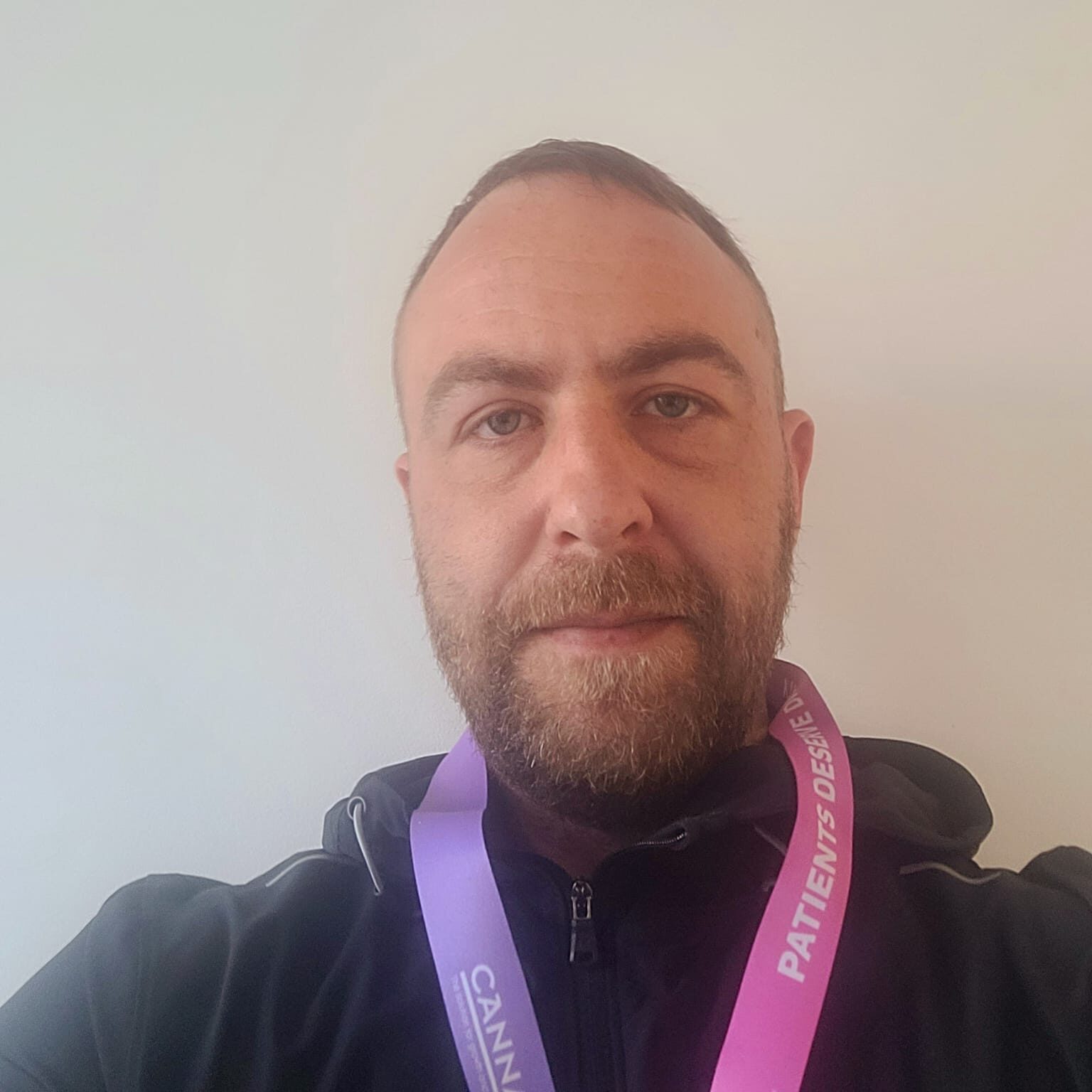
Dean Carroll is a plumber and supervisor for a housing association. He is also one of the estimated tens of thousands of people in the UK who hold a legal prescription for medical cannabis. When those two facts met at work, the result was not the one many patients fear.
Rather than wait to be found out, Dean chose to be open. He told his employer about his prescription up front. Because his job is safety-critical, he was asked to attend an occupational health assessment to check whether he could keep doing it safely. It is exactly the kind of moment that stops many patients from ever telling their employer at all.
What happened next, Dean says, should be the template for how these situations are handled. He has since joined PatientsCann UK as a volunteer, and he is sharing his experience so that other patients, and the employers who manage them, can see that a prescription need not be the end of a career.
The fact that I am prescribed medical cannabis did not automatically mean I was considered unfit to work. The assessment focused on my individual circumstances and my ability to do my role safely.
— Dean CarrollHow it was handled
What good practice looked like
Dean's employer and occupational health team followed a clear, methodical process. Each step looked at the real question: can this person do this job safely? Here is how it unfolded.
-
Dean disclosed his prescription
He proactively told his employer he had been prescribed medical cannabis, rather than keeping it hidden. Because his role is safety-critical, an occupational health assessment was arranged.
-
He shared the clinical detail
Dean provided information on his prescribed dosage, the potential effects and the impairment window after dosing, and any other medication he was taking, so the assessment was based on facts, not assumptions.
-
Occupational health assessed his fitness to work
The assessment concluded there were no concerns about Dean's ability to carry out his work safely, including the driving that forms part of his role.
-
A workplace risk assessment considered the real duties
His employer then assessed the specific risks tied to his role. Dean also supplied guidance from his medical cannabis clinic on the current UK position on driving while prescribed.
-
Dean kept his job
Following the assessment and a sensible risk-management plan, Dean was able to carry on in his role. Safety standards were maintained, and a skilled employee was retained.
The risk assessment looked squarely at the demanding parts of the job, not at the label on his prescription:
The way my employer and occupational health team handled my situation should be seen as an example of good practice. It was professional, thorough, and, most importantly, I felt listened to and understood.
— Dean CarrollClearing up the confusion
A prescription is not an automatic barrier
Dean hopes his story challenges some stubborn misconceptions. Being prescribed medical cannabis should not, on its own, be treated as a bar to employment or career progression. What matters is the individual, their medication, and the honest requirements of the role.
Judge the person, not the label
Assess someone's actual ability to work safely, not an assumption based only on the fact of a prescription.
Open communication works
Disclosing early let Dean explain his dosage, his effects, and when they occur, so decisions rested on facts.
Safety is not compromised
A proper risk assessment lets employers support staff while still holding appropriate health and safety standards.
My experience has shown me it is possible to take medical cannabis seriously as a medication, take workplace safety seriously, and still support an employee to do their job to the best of their ability.
— Dean CarrollDean is clear that he is not asking for special treatment, only for a fair and individual hearing. There are, he points out, many patients across the UK who are prescribed medical cannabis and who are fully capable of working, contributing, and carrying out their roles safely.
He hopes that by speaking up, he can encourage more open conversation between patients, employers and occupational health professionals, and help others feel able to disclose without fear of losing the work they depend on.
This is one patient's personal experience, shared to support others. It is not legal or employment advice, and every workplace is different. For your rights at work, see our Employment guide, and read the current UK position on driving while prescribed.
Read next
Know your rights
Your voice makes the case
Every story we gather helps challenge stigma and shows employers what fair, informed practice looks like. Add yours, or help us reach more patients.
