Alpha-Pinene
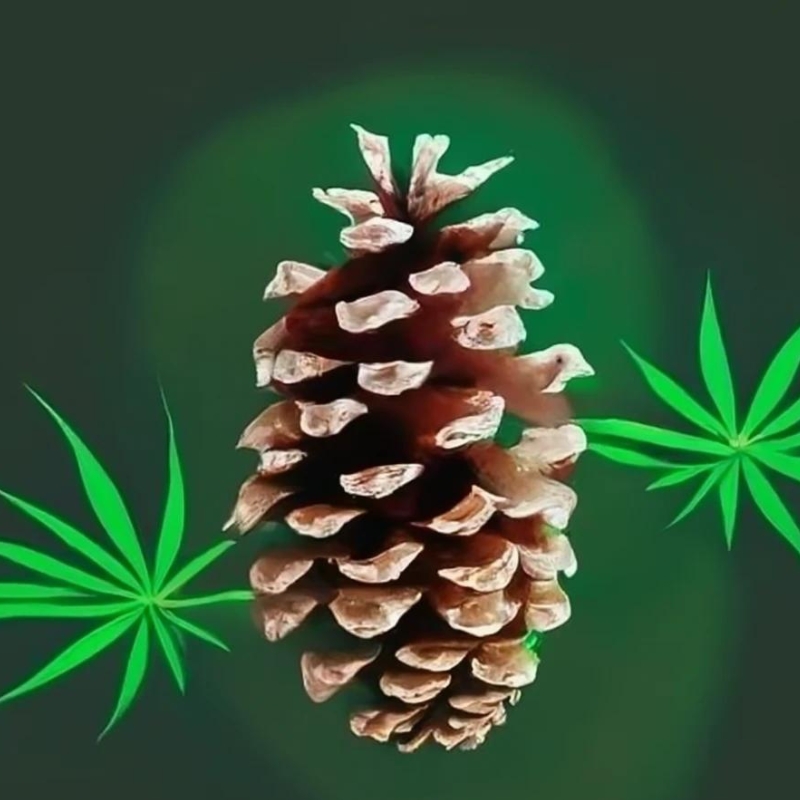
Alpha-Pinene – PatientsCann UK Skip to main content Back to Terpenes Guide Alpha-Pinene α-Pinene pronounced: AL-fuh PY-neen Smells like a pine forest. Found in pine needles and rosemary. Monoterpene Boiling point: 156°C Terpene type Monoterpene Boiling point 156°C Primary aroma Pine Key effect Focus Aroma profile How it Smells The aroma of alpha-pinene is described as: PineResinousSharp WoodFresh Forest Found naturally in: Pine needles, rosemary, basil, dill, eucalyptus Effects Linked Effects FocusEnergyAnti-inflammatoryMemory support These effects are based on early-stage research in animals and cells. They are not proven in humans. Do not change your treatment based on this information. About What is Alpha-Pinene? Alpha-pinene is the most abundant terpene in the natural world. If you have ever walked through a pine forest and taken a deep breath, you have experienced it directly. It gives pine trees their sharp, clean, resinous smell and is the dominant scent in rosemary and eucalyptus. In cannabis, alpha-pinene is one of the secondary terpenes found in many strains. It contributes a piney, fresh edge to the overall aroma. Strains high in pinene are sometimes described as smelling like a forest floor or fresh herbs (Booth and Bohlmann, 2019). Effects in detail What the Research Says Alpha-pinene is one of the most studied terpenes for its effects on the mind. It is a known bronchodilator at low concentrations, meaning it can help open up the airways. Weston-Green et al. (2021) reviewed evidence suggesting pinene may support memory and alertness by blocking enzymes that break down acetylcholine, a brain chemical involved in memory and attention. This is particularly interesting in the context of medical cannabis, because some people report that high-THC products can affect memory temporarily. The presence of alpha-pinene in a strain may partially counteract this effect (Russo, 2011). It also has well-documented anti-inflammatory properties. Everyday sources Where You Find it in Daily Life Rosemary is probably the easiest everyday source of alpha-pinene. When you rub a sprig of rosemary between your fingers, the sharp, piney smell you get is largely alpha-pinene. Basil, dill, and parsley also contain it, as do many coniferous trees. Pine-scented cleaning products and air fresheners almost always use pinene as the fragrance source. It is considered safe at normal exposure levels and is approved as a food flavouring in many countries. Research Key Studies Weston-Green et al. (2021) published a detailed review of the potential of pinene as a medicine for brain health. They found evidence from preclinical studies that it can reduce anxiety, improve memory, and act as a neuroprotective compound, though human clinical trials are still limited. Russo (2011) highlighted alpha-pinene specifically as a terpene that may modulate the psychoactive effects of THC by inhibiting acetylcholinesterase, helping to maintain working memory. Nuutinen (2018) confirmed these findings across a broader review of cannabis terpene pharmacology. Previous α-Terpinene Next β-Pinene Back to full Terpenes Guide Important: The information on this page is for education only. It is not medical advice. Terpene research is still in its early stages. Many studies have been done in animals, not yet in people. Always speak to your doctor before changing your treatment. PatientsCann UK does not recommend any specific cannabis product. References Booth, J.K. and Bohlmann, J. (2019) ‘Terpenes in Cannabis sativa: from plant genome to humans’, Plant Science, 284, pp. 67-72. doi: 10.1016/j.plantsci.2019.03.022. Nuutinen, T. (2018) ‘Medicinal properties of terpenes found in Cannabis sativa and Humulus lupulus’, European Journal of Medicinal Chemistry, 157, pp. 198-228. doi: 10.1016/j.ejmech.2018.07.076. Russo, E.B. (2011) ‘Taming THC: potential cannabis synergy and phytocannabinoid-terpenoid entourage effects’, British Journal of Pharmacology, 163(7), pp. 1344-1364. doi: 10.1111/j.1476-5381.2011.01238.x. Weston-Green, K. et al. (2021) ‘A review of the potential use of pinene and linalool as terpene-based medicines for brain health’, Frontiers in Psychiatry, 12, 583211. doi: 10.3389/fpsyt.2021.583211.
