Linalool
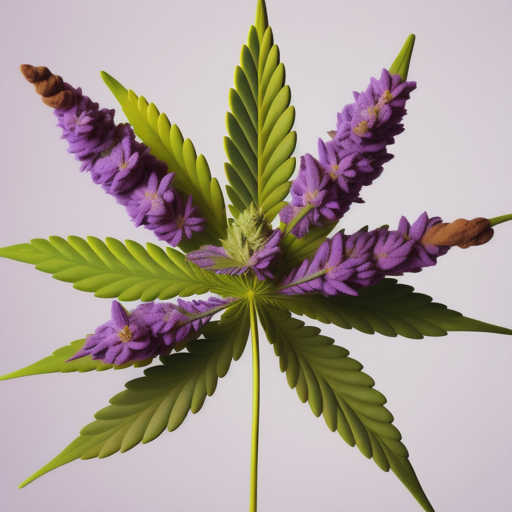
Linalool – PatientsCann UK Skip to main content Back to Terpenes Guide Linalool Linalool alcohol pronounced: lin-AL-oh-ol The calming lavender terpene. Found in over 200 plant species. Monoterpene Boiling point: 198°C Terpene type Monoterpene Boiling point 198°C Primary aroma Floral Key effect Calm Aroma profile How it Smells The aroma of linalool is described as: FloralLavenderSweet HerbSage Found naturally in: Lavender, mint, coriander, rosewood, jasmine Effects Linked Effects CalmSleep supportRelaxingAnti-anxiety These effects are based on early-stage research in animals and cells. They are not proven in humans. Do not change your treatment based on this information. About What is Linalool? Linalool is the terpene responsible for lavender’s famous calming scent. It is one of the most widely distributed terpenes in nature, appearing in over 200 different plants including mint, coriander, and many trees. When a cannabis strain has a soft, floral, slightly soapy smell, linalool is usually the reason. Unlike some terpenes that are present only in small amounts, linalool can be a major component in certain cannabis strains. It is a monoterpene alcohol, which gives it a slightly heavier, more complex character than simpler terpenes like limonene (Booth and Bohlmann, 2019). Effects in detail What the Research Says Linalool has one of the strongest bodies of evidence among cannabis terpenes for calming and sleep-supporting effects. Weston-Green et al. (2021) reviewed studies showing that inhaled linalool can reduce anxiety-like behaviour in animals, and that it appears to enhance the activity of GABA, a brain chemical that promotes relaxation and sleep. Abstrax Tech (2023) conducted studies with Western Washington University finding that a combination of linalool and myrcene produced notable anxiolytic (anti-anxiety) effects. Baram et al. (2022) confirmed that linalool activates CB1 and CB2 receptors, adding to its known mechanisms of action. Everyday sources Where You Find it in Daily Life Lavender is the most obvious everyday source. Lavender oil, widely sold in pharmacies and health shops, is mostly linalool. It is the active ingredient that makes lavender pillows and sleep sprays effective for some people. Coriander seeds contain high amounts too, which contributes to their floral, slightly soapy flavour. Linalool is one of the most commonly used fragrance ingredients in the world. It is found in many shampoos, soaps, and cosmetics, as well as in some foods as a natural flavouring. It is generally considered safe at typical exposure levels. Research Key Studies Weston-Green et al. (2021) specifically reviewed linalool alongside alpha-pinene as a potential medicine for brain health. They found preclinical evidence for anti-anxiety, antidepressant, anticonvulsant, and neuroprotective effects. The authors noted that the evidence base is growing but human clinical trials are still limited. Abstrax Tech (2023) reported collaborative research demonstrating anxiolytic synergy between linalool and myrcene, suggesting that terpene combinations may be more powerful than individual compounds. This supports the broader entourage effect framework described by Russo (2011). Previous Camphene Next Beta-Caryophyllene Back to full Terpenes Guide Important: The information on this page is for education only. It is not medical advice. Terpene research is still in its early stages. Many studies have been done in animals, not yet in people. Always speak to your doctor before changing your treatment. PatientsCann UK does not recommend any specific cannabis product. References Abstrax Tech (2023) Linalool and beta-myrcene anxiolytic study with Western Washington University. Available at: https://abstraxtech.com/pages/terpene-research (Accessed: 29 May 2026). Baram, L. et al. (2022) ‘Major cannabis terpenes, applied individually and in combination, activate endogenous cannabinoid CB1 and CB2 receptors’, Frontiers in Pharmacology, 13, 1040962. doi: 10.3389/fphar.2022.1040962. Booth, J.K. and Bohlmann, J. (2019) ‘Terpenes in Cannabis sativa: from plant genome to humans’, Plant Science, 284, pp. 67-72. doi: 10.1016/j.plantsci.2019.03.022. Russo, E.B. (2011) ‘Taming THC: potential cannabis synergy and phytocannabinoid-terpenoid entourage effects’, British Journal of Pharmacology, 163(7), pp. 1344-1364. doi: 10.1111/j.1476-5381.2011.01238.x. Weston-Green, K. et al. (2021) ‘A review of the potential use of pinene and linalool as terpene-based medicines for brain health’, Frontiers in Psychiatry, 12, 583211. doi: 10.3389/fpsyt.2021.583211.
Limonene
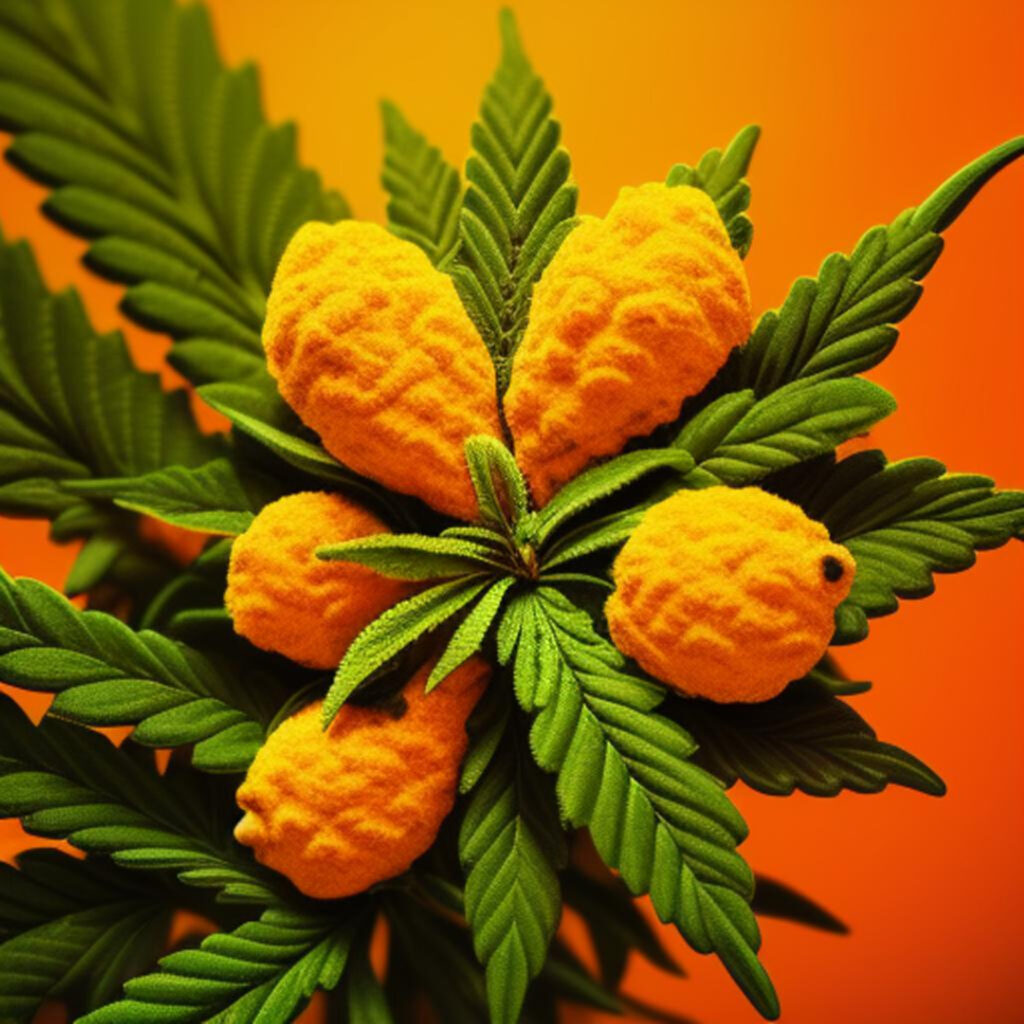
Limonene – PatientsCann UK Skip to main content Back to Terpenes Guide Limonene D-Limonene pronounced: LIM-oh-neen The bright, citrus terpene. Found in lemon peel and orange rind. Monoterpene Boiling point: 177°C Terpene type Monoterpene Boiling point 177°C Primary aroma Citrus Key effect Uplifting Aroma profile How it Smells The aroma of limonene is described as: CitrusTangyLemonOrangeZesty Sour Found naturally in: Lemon and orange peel, peppermint, rosemary, juniper Effects Linked Effects UpliftingCalmStress reliefFocus These effects are based on early-stage research in animals and cells. They are not proven in humans. Do not change your treatment based on this information. About What is Limonene? Limonene is the terpene responsible for that sharp, clean citrus smell. It is one of the most widely found terpenes in nature and is the main compound that gives lemon and orange peel their unmistakable scent. In cannabis, strains high in limonene often smell like a fresh citrus fruit or lemon sherbet. As a monoterpene, limonene is a relatively simple molecule that is highly volatile, meaning it evaporates quickly. This is why cutting a lemon releases that burst of smell almost immediately. In cannabis, limonene is often most noticeable in the first wave of aroma when a jar is opened (Booth and Bohlmann, 2019). Effects in detail What the Research Says Limonene is strongly associated with mood-lifting and stress-reducing effects. Laboratory studies have found it can reduce anxiety-like behaviour in animals (Nuutinen, 2018). Several clinical and preclinical studies suggest it may act on serotonin and dopamine pathways in the brain, which are linked to mood regulation. Research by Baram et al. (2022) found that limonene, like myrcene, can activate CB2 receptors. This means it is not merely adding aroma: it may interact with the body’s endocannabinoid system directly. Some studies also report anti-inflammatory and antioxidant properties at higher concentrations. Everyday sources Where You Find it in Daily Life Limonene is everywhere in the kitchen. The white pith and coloured skin of any citrus fruit contain high concentrations of it. Lemon-flavoured cleaning products almost always use limonene as the active fragrance ingredient, and it is approved as a food flavouring across the UK and EU. You will also find limonene in rosemary, juniper berries, and peppermint. It is used extensively in the fragrance industry and is one of the most commonly added flavours in food and drinks. Research Key Studies A key study by Russo (2011) highlighted limonene as a terpene with notable anti-anxiety and antidepressant potential based on animal and in vitro research. He proposed that the entourage effect partly relies on limonene interacting with serotonin receptors. Baram et al. (2022) later confirmed that limonene can activate endocannabinoid receptors at physiologically relevant concentrations. This was a significant finding because it moved limonene from a simple aromatic compound to a potentially pharmacologically active molecule in its own right. Previous Valencene Next Δ-3-Carene Back to full Terpenes Guide Important: The information on this page is for education only. It is not medical advice. Terpene research is still in its early stages. Many studies have been done in animals, not yet in people. Always speak to your doctor before changing your treatment. PatientsCann UK does not recommend any specific cannabis product. References Baram, L. et al. (2022) ‘Major cannabis terpenes, applied individually and in combination, activate endogenous cannabinoid CB1 and CB2 receptors’, Frontiers in Pharmacology, 13, 1040962. doi: 10.3389/fphar.2022.1040962. Booth, J.K. and Bohlmann, J. (2019) ‘Terpenes in Cannabis sativa: from plant genome to humans’, Plant Science, 284, pp. 67-72. doi: 10.1016/j.plantsci.2019.03.022. Nuutinen, T. (2018) ‘Medicinal properties of terpenes found in Cannabis sativa and Humulus lupulus’, European Journal of Medicinal Chemistry, 157, pp. 198-228. doi: 10.1016/j.ejmech.2018.07.076. Russo, E.B. (2011) ‘Taming THC: potential cannabis synergy and phytocannabinoid-terpenoid entourage effects’, British Journal of Pharmacology, 163(7), pp. 1344-1364. doi: 10.1111/j.1476-5381.2011.01238.x.
